
Over the past few years, LinkedIn has been quietly but consistently redefining its role in professional communication. These changes will continue into 2026.
What was once largely a platform for announcements, updates, and formal company news is increasingly becoming a space for meaningful, experience-based professional presence.
For business owners, managers, executives, and professionals, this shift requires a different way of thinking about LinkedIn. The question is no longer how often you post, but how aligned your presence is with the platform’s logic and with the value your audience is looking for.
Personal Presence as the Foundation of Trust
In 2026, trust on LinkedIn is built less through anonymous brands and more through the people behind them.
Leaders, executives, experts, and internal thought leaders are becoming a central part of organizational reputation.
This does not mean constant self-promotion or playing an influencer role. It means conscious, consistent presence with a clear professional focus and the ability to speak about one’s field in a human, grounded, and understandable way.
For organizations, this also means recognizing that leadership and employee presence on LinkedIn is not a “nice to have” but a strategic asset.
Authentic Content and AI as a Support Tool
Trust-building content is rooted in real experience and independent thinking. Audiences quickly recognize content that is mechanical, generic, or empty, even when it is technically correct.
Artificial intelligence can be a valuable support tool for structuring thoughts, refining language, or speeding up work. However, it cannot replace personal perspective, lived experience, or professional judgment.
Large volumes of AI-generated content tend to sound similar, repetitive, and unremarkable. This is one of the reasons LinkedIn has introduced its own AI model, 360 Brew, which analyzes context, experience, and human perspective, filtering out content and comments that appear inauthentic or low-trust.
At the same time, it is important to understand that large language models read content across platforms. This makes clarity, structure, and meaning increasingly important not only for LinkedIn posts but also for blogs, podcasts, and long-form content.
What LinkedIn Recognizes as Valuable Content
Looking at how visibility works on the platform, three content directions stand out as long-term value drivers.
The first is industry insight with a personal point of view. Not neutral reporting, but the ability to explain what is changing, why it matters, and how it appears in real professional practice.
The second is knowledge-based content that supports learning and application. This includes explanations, frameworks, examples, and conclusions drawn from experience that help professionals navigate their work and make better decisions.
The third is career and leadership stories that reflect on limitations, mistakes, and learning. Not as oversharing, but as thoughtful reflection that demonstrates maturity, perspective, and professional growth.
Comments as a Visibility and Trust Signal
In 2026, visibility on LinkedIn is shaped not only by what you publish, but also by how you participate in conversations. Comments are no longer secondary; they are an integral part of professional presence.
A strong comment usually consists of a few sentences that show understanding of context and add perspective or experience to the discussion.
High-quality comments:
extend visibility across four audiences (the author, the author’s community, your community, and new prospect connections),
strengthen the relevance and visibility of the original content,
build professional reputation, trust, and inbound leads.
Content and comments work together within the LinkedIn ecosystem. Low-quality, automated, or empty engagement weakens the visibility of the post.
Platform’s LLM and the Importance of Focus
LinkedIn’s AI model, 360 Brew, analyzes the full picture: profile, content, comments, topics, people, and engagement patterns. This helps the platform’s LLM understand where a professional is valuable, who to show them to, and what kind of content to connect them with.
Because of this, clarity of focus becomes increasingly important. One primary professional theme, supported by a few logical sub-themes, helps create recognition, consistency, and authority.
Scattered messaging leads to scattered visibility.
Also, more and more professionals use LLMs for search purposes and allow their content to be offered as a solution.
Looking Toward 2026
Clear trends are emerging on LinkedIn and beyond.
Knowledge and experience-sharing matter more than announcements.
Company pages increasingly take on an educational role.
Human perspective and professional opinion become key trust signals.
Long-form and in-depth content regains value.
Content series build audience loyalty.
Natural, human presence outperforms generic AI-generated content.
Conclusion
LinkedIn’s strategy in 2026 is about conscious, meaningful presence. It is about professionals and leaders becoming trusted reference points by sharing experience, perspective, and insight.
For organizations and individuals alike, this is an opportunity not just to increase visibility, but to build a long-term reputation based on clarity, consistency, and real professional experience.
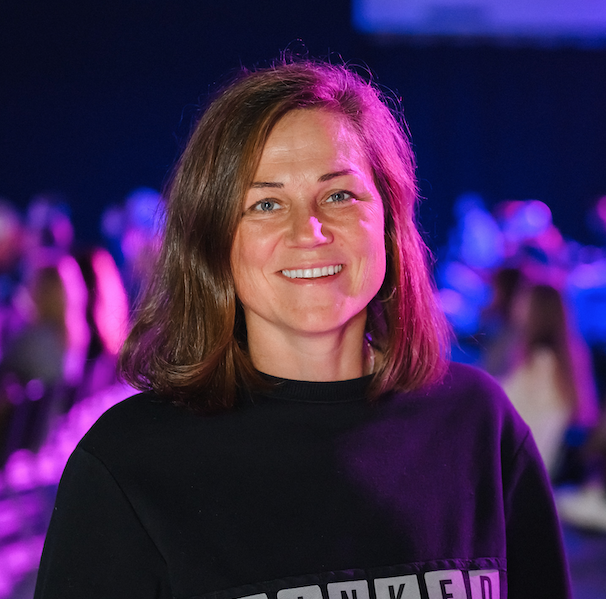
About the author:
Ieva Drazniece is a communication and personal brand strategist with over 25 years of experience supporting leaders, professionals, and teams. She works with executives, managers, and organizations to help build clear, trustworthy presence on LinkedIn and other professional platforms, focusing on leadership, clarity of thinking, and meaningful communication.
Explore her work here.